
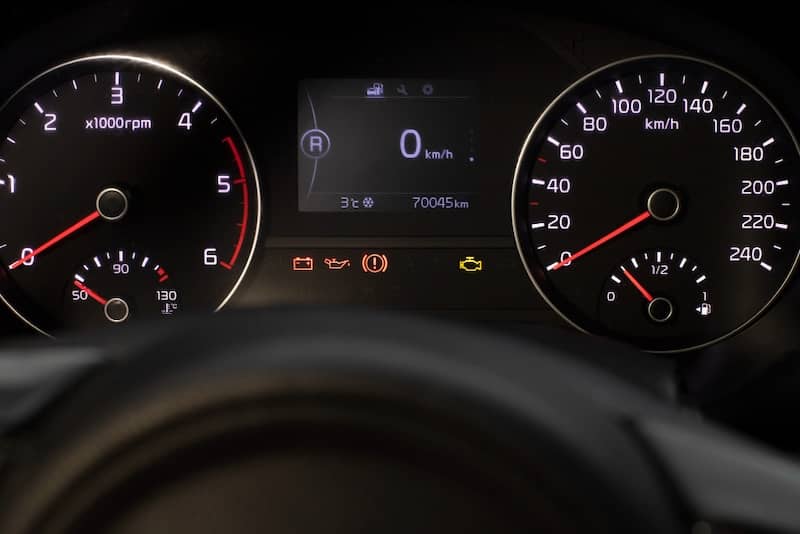
Your European vehicle’s check engine light flicks on. Depending on your personality, your first reaction might be to panic or ignore it altogether. Neither response is ideal. That amber icon is your car’s way of saying, “Something’s not right,” and it’s especially critical in precision-engineered machines like Audi, BMW, Mercedes-Benz, or Volkswagen.
Understanding the inner workings under the hood can help you feel more confident taking your vehicle to a knowledgeable European auto repair service in Salt Lake City or near you. The complexity of European cars means that a range of issues, from minor sensor glitches to more serious turbo problems, can trigger that light. If you want to avoid expensive repairs or compromised performance, you need to understand what that warning means and how to respond appropriately.
The Role of Sensors in Modern European Vehicles
Your car relies on an interconnected network of sensors to monitor everything from air intake to exhaust gases. If even one sensor sends a reading outside the acceptable range, your onboard diagnostic system logs it and may activate the check engine light.
In that case, you might be dealing with a faulty oxygen sensor, mass airflow sensor, or camshaft position sensor. Each plays a vital role in engine performance and emissions control.
These sensors report data, but more than that, they influence how your entire car runs. A failed mass airflow sensor can disrupt your fuel-air mixture, causing rough idling, poor fuel economy, or even stalling.
If the issue persists, ignoring a sensor-related check engine light can snowball into larger problems, like catalytic converter damage. That’s why you shouldn’t clear the code and hope for the best. Instead, you need a scan to identify which sensor is causing trouble and decide how urgent the fix is.
Vacuum Leaks and Intake System Malfunctions
European engines often feature complex intake systems that depend on tight seals and intricate airflow management. A vacuum leak, which can be caused by cracked hoses, gaskets, or fittings, can introduce unmetered air into the engine. This messes with your air-fuel ratio and often triggers a lean code on your diagnostics.
That’s one of the more subtle causes of a check engine light. You might notice a slight hesitation under the throttle or an unusually high idle. In turbocharged models, even a small leak can affect boost performance and long-term reliability.
If you hear a faint hissing noise or experience inconsistent throttle response, you should get the intake system checked for leaks. Smoke testing can quickly reveal where air is escaping, allowing a technician to replace worn components before they lead to more serious damage.
Misfires and Ignition Problems
European cars are known for precision, which also means they’re sensitive to irregularities in the ignition system.
If your check engine light flashes, especially while driving, you might be experiencing an engine misfire. This is usually tied to worn spark plugs, failing ignition coils, or carbon buildup in direct injection engines. In turbocharged engines, excess boost or heat can accelerate wear on ignition components.
You’ll often feel a misfire as a stumble or loss of power under acceleration. The vehicle may sometimes enter limp mode to protect itself from damage. The longer you wait to address misfires, the more you risk damaging your catalytic converter due to unburned fuel. If you want to avoid a multi-thousand-dollar repair, you need to act as soon as the symptoms show up.
Turbocharger Troubles
If you drive a turbocharged Audi, BMW, or Mercedes, your turbo system could be the root cause of that check engine light.
Modern turbos are engineered to balance performance and reliability, but they’re not immune to wear. Leaking boost hoses, failing diverter valves, or worn turbo bearings can all trigger fault codes. If your car feels underpowered or you hear whining under boost, those are telltale signs.
Some turbo faults won’t show up immediately as performance issues. You might only see a general fault code tied to the boost pressure range. These can indicate a sensor issue or a mechanical problem like wastegate actuator failure.
Either way, you need to investigate quickly. Driving with a compromised turbo system can lead to oil contamination, overheating, or even catastrophic engine damage.
Emissions Equipment Failures
European cars are tightly regulated for emissions. That comes with extra hardware, including EGR valves, secondary air systems, and diesel particulate filters. These components can trigger check engine lights when they fail or clog. Even a loose gas cap can cause a vapor leak and trigger the light in cars equipped with evaporative emissions monitoring.
If your car has a diesel engine, be especially mindful of DEF (diesel exhaust fluid) levels and filter regeneration cycles. Neglecting these can result in reduced engine power or a no-start condition. You should address emissions-related warnings immediately, not only to stay road-legal but to prevent cascading failures within the emissions system.
Software Glitches and Electrical Quirks
Sometimes, the problem isn’t mechanical; it’s digital. European vehicles increasingly rely on complex electronic control modules that communicate over a CAN bus system. A software bug, corrupted sensor input, or weak battery voltage can all cause the check engine light to appear without an obvious drivability issue.
For example, a known issue in some models involves communication faults between modules during cold starts or low battery conditions. If your car had recent work done, like battery replacement or module programming, you might be experiencing a glitch rather than a failure.
That said, you still need to scan the system and check for software updates or module resets to rule out more serious causes.
What to Do When the Light Comes On
You should never ignore the check engine light, even if the car seems to run fine. A steady light often signals a non-emergency issue, while a flashing one indicates an active misfire and potential for severe damage. Here’s how to respond:
- Get a scan tool or visit a qualified shop to read diagnostic trouble codes.
- Document symptoms like rough idling, loss of power, or unusual noises.
- Avoid hard driving or high RPMs until the issue is diagnosed.
If you’re driving in a location with strict inspection standards, like California or certain parts of New York, you’ll also want to resolve the issue before your next emissions test. Even if the light turns off, a stored fault code can prevent your car from passing inspection.
Diagnosing vs. Guessing
You might be tempted to replace the part yourself that you think might be faulty, like a coil pack or sensor. But beware: that approach can cost more in the long run. Many faults share similar symptoms, and without accurate diagnostics, you risk swapping parts that don’t fix the issue.
Your best move is to use professional diagnostic tools or seek a high-quality shop specializing in European car maintenance near you.
European brands often require brand-specific scan tools or software that goes beyond generic OBD-II readers. These tools can access proprietary modules, perform system tests, and track adaptations. Without them, you’re guessing at best. At worst, you’re missing deeper problems that haven’t yet triggered symptoms.
Preventing Future Check Engine Lights
You can avoid many check engine issues with simple proactive maintenance. That means regularly keeping up with scheduled oil changes, using high-quality fuel, and inspecting components like hoses, plugs, and filters. Don’t skip factory service intervals, especially for timing chain inspections, valve cleaning, or turbo oil line maintenance.
You should also ensure that technicians properly tune any aftermarket modifications like performance software or intakes. Improper tuning is a leading cause of check engine lights in enthusiast vehicles.
The Check Engine Light: Pesky, but Necessary
The check engine light might be annoying, but make no mistake: it’s there for a reason. Whether it’s a simple sensor issue or a more serious turbo failure, ignoring it only leads to more costly repairs down the road.
By understanding the most common causes and knowing how to respond, you’re in the best position to protect your vehicle and your wallet. The next time that light comes on, you’ll know exactly what to look for, how to get it diagnosed properly, and how to fix it the right way.
Video
Infographic
Your European car’s check engine light is more than just a warning—it’s a sophisticated alert from a network of sensors that monitor everything from air intake to emissions. Explore this infographic to discover the reasons why your European car’s check engine light might be on.
