
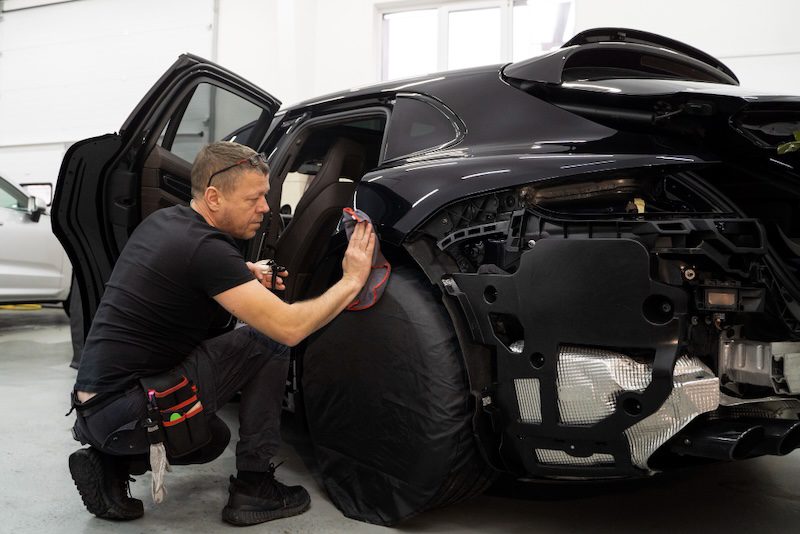
When you own a luxury car, every maintenance decision carries more weight. Your vehicle relies on advanced engineering, specially built components, and integrated technology that all work together. The place where you take your car for service directly affects how well those systems continue to perform over time. Choosing between a local repair shop and a specialist service center may seem straightforward, but the differences become clearer once you look beyond convenience or upfront cost.
Luxury vehicles are designed with tighter tolerances and more complex electronics than standard cars. That means even routine maintenance requires a deeper understanding of how systems interact. A service decision that saves money today can create long-term issues if the work is not done with the right knowledge, tools, and parts. Luckily, taking your car to a full-service luxury car maintenance center in Salt Lake City can make all the difference.
What Local Repair Shops Typically Offer
Local repair shops might appeal to you: they’re nearby and familiar. You might already trust a neighborhood shop for basic vehicles, and for some routine tasks, they can provide acceptable service. Oil changes, brake pad replacements, or tire services may be well within their comfort zone.
However, most local shops only have generalized diagnostic tools and technicians with broad rather than specialized training. Luxury cars use brand-specific software, proprietary fault codes, and complex control modules that generic scanners may not fully interpret. Without the right equipment, technicians may rely on guesswork or trial-and-error repairs, which increases the risk of misdiagnosis.
Another consideration is parts sourcing. Local shops may default to aftermarket components to reduce costs or speed up repairs. While some aftermarket parts perform adequately, others may not meet the exact specifications your car was engineered to use. Over time, even small mismatches can affect reliability and system calibration.
How Specialist Service Centers Approach Maintenance
Specialist service centers focus on specific brands or vehicle categories. That specialization shapes the way technicians diagnose, service, and maintain your car. Technicians at these centers are specifically trained on everything your luxury car has: high-performance engines, advanced suspension and electrical systems, turbocharging, and more.
Because they work with the same platforms every day, specialists recognize patterns that others would miss. A noise, warning light, or drivability change that seems minor could point to a known issue that requires early attention. This familiarity allows problems to be addressed before they escalate into major repairs.
Most specialist centers also use manufacturer-approved fluids, parts, and procedures. That consistency helps preserve the way your vehicle was designed to drive and respond. It also reduces the likelihood of system conflicts or warranty complications tied to improper service methods. In short, a specialist center offers the higher-quality care your luxury vehicle needs.
Diagnostic Accuracy and Technology Gaps
One of the biggest differences between local repair shops and specialist service centers comes down to diagnostics. Modern luxury cars generate large amounts of data through sensors and control modules. Accessing and interpreting that data correctly requires more than a universal scan tool.
Specialist service centers invest in brand-level diagnostic systems that communicate directly with the vehicle. These tools allow technicians to read manufacturer-specific fault codes, run guided tests, and perform calibrations after repairs. Without this capability, even a well-intentioned repair can leave underlying issues unresolved.
Misdiagnosis often leads to parts being replaced unnecessarily. That not only increases costs but also introduces new variables into systems that weren’t originally failing. Accurate diagnostics protect both your budget and your vehicle’s integrity.
Warranty, Software, and Vehicle Value Considerations
Luxury vehicles rely on software updates and electronic calibrations as part of routine service. Some updates address performance refinement, emissions compliance, or system reliability. Local shops may not have access to these updates, leaving your vehicle behind current standards.
Warranty considerations also matter. Improper repairs, incorrect fluids, or undocumented service can complicate warranty claims or reduce goodwill support from manufacturers. Specialist service centers are more likely to follow approved procedures that align with warranty requirements.
Service history plays a role in resale value as well. Buyers interested in luxury cars look closely at maintenance records. When you can provide consistent service from knowledgeable providers, you show that you cared for the car well and reduce buyers’ hesitations.
Long-Term Costs vs. Short-Term Savings
It’s natural to compare service options based on price, especially when luxury car maintenance already feels expensive. Local repair shops often quote lower labor rates, which can be appealing for straightforward jobs. But while you can save money for those general repairs, the risk comes when your savings are offset by repeat visits, unresolved problems, or premature component wear.
Specialist service can carry higher upfront costs, but those costs reflect deeper expertise, proper tooling, and preventative insight. Catching a cooling system issue early or identifying suspension wear before it causes alignment damage can save thousands over the life of the car.
When you look at total ownership cost rather than individual invoices, consistent specialist care often ends up being more economical. Fewer surprises, fewer repeat repairs, and preserved performance all factor into that equation.
Of course, not all specialist shops require you to drain your savings. Look around for an affordable alternative to luxury car service centers in Salt Lake City; you’ll often get top-quality service at very fair rates.
Making the Right Choice for Your Driving Style
Your driving habits influence how important specialization becomes. If you drive conservatively and use your car primarily for commuting, you might not notice the differences right away (though you’ll see them over time). But if you enjoy spirited driving, track events, or long-distance travel, precision service is critical.
Performance driving places added stress on brakes, suspension, cooling systems, and drivetrains. Small maintenance oversights under these conditions can lead to rapid wear or sudden failures. Specialist service centers are better equipped to evaluate how your driving style affects component life and adjust maintenance plans accordingly.
Questions to Ask Before Choosing a Service Provider
Before committing to any shop, it helps to ask a few practical questions. Understanding how a provider approaches diagnostics, parts, and training gives you a clearer picture of what your car will receive. Make sure to ask:
- What diagnostic systems are used and whether they’re specific to your vehicle brand
- Whether manufacturer-approved fluids and parts are standard practice
- How technicians stay current with model updates and service bulletins
The answers reveal whether the shop is prepared for the demands of your luxury vehicle or is primarily focused on general automotive service.
Balancing Convenience With Confidence
Local repair shops offer convenience, and in some cases, that convenience might be enough for minor needs. Specialist service centers offer expertise and consistency to give you peace of mind. For luxury car owners, that confidence often outweighs small savings or shorter drive times. And when you find an affordable alternative to a luxury service center, your savings are more than just monetary. You get the best of both worlds.
Understanding the differences allows you to make informed decisions based on how you use your car, how long you plan to keep it, and what level of performance you expect. Choosing the right service path protects the whole experience that made you choose a luxury car in the first place.