
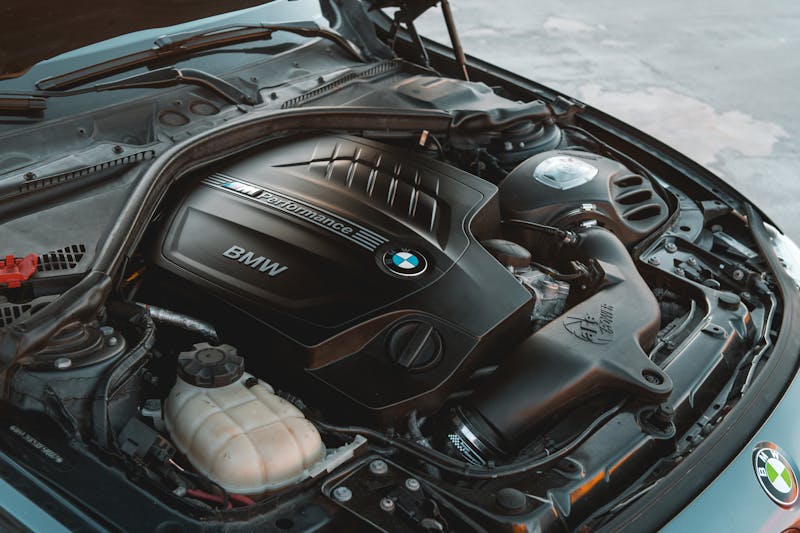
BMW is a brand known for its responsive handling, powerful drivetrain, and attention to detail. When you purchase a BMW, you commit to proper upkeep to preserve the precision engineering behind the badge. Making sure your BMW continues to deliver the high-level experience you expect means that you need to stay on track with its maintenance plan.
Even in standard cars, going a few thousand miles over your next recommended oil change or delaying other maintenance services might seem harmless in the short term. But over time, even minor neglect can lead to bigger problems and more expensive repairs. Whether your BMW is fresh off the lot or you’ve had it for a few years, understanding and following its maintenance schedule is one of the smartest ways to protect your investment.
Understanding BMW’s Condition-Based Service (CBS) System
BMW doesn’t follow a traditional maintenance schedule based strictly on mileage. Instead, most modern models use a system called Condition-Based Service (CBS). This technology monitors key components in real time, such as engine oil, brake pads, and filters, and alerts you when service is due.
Rather than relying on fixed intervals, your BMW tells you what it needs and when. The system considers how you drive, the type of terrain, and even the climate you live in. For example, if you frequently drive in stop-and-go traffic or in extreme temperatures, your oil might degrade faster and require more frequent changes.
This setup is incredibly convenient, but it also requires you to pay attention to the alerts. It’s easy to ignore that service light when you’re busy or think it’s not urgent. However, these notifications are carefully calibrated, and delaying action could lead to engine strain, reduced fuel efficiency, or component wear.
Key Milestones in Your BMW’s Maintenance Journey
Even with CBS guiding the way, there are certain service benchmarks you should always keep in mind. Typically, oil changes are recommended every 7,500 to 10,000 miles, depending on driving habits and engine type. For high-performance models like an M3 or M5, you may want to change the oil more frequently for optimal performance.
Brake fluid should be replaced every two years, regardless of mileage. Many car owners overlook transmission fluid. But because it’s critical to smooth shifting and drivetrain health, it’s a good idea to have it checked around the 60,000-mile mark. Spark plugs usually need replacement around 60,000 to 100,000 miles, depending on the engine, and air filters should be checked annually or every 15,000 to 30,000 miles.
For example, let’s say you’re driving a 2019 BMW 5 Series and it’s approaching the 60,000-mile mark. Even if CBS hasn’t triggered a warning yet, this would be an ideal time to evaluate the oil, transmission fluid, spark plugs, and brake condition. Taking a proactive approach now could save you thousands in repair bills later.
Keeping Track of Maintenance with BMW’s Digital Tools
To help you stay organized, BMW offers several digital tools that simplify service tracking. Your iDrive system displays upcoming service items and can even show a service history log. The BMW ConnectedDrive app also sends push notifications and lets you review maintenance data right from your smartphone.
You can set reminders based on time or mileage and even book appointments with your preferred service center from within the app. This kind of integration eliminates excuses: you’re always informed, and scheduling service is just a few taps away.
Additionally, if you plan to resell down the line, storing digital copies of your maintenance receipts can provide buyers with confidence in the car’s condition. It demonstrates that you’ve kept up with manufacturer-recommended care, potentially increasing resale value or speeding up the selling process.
Choosing the Right Service Provider
Not all auto shops are equipped to handle BMW maintenance. The brand’s sophisticated diagnostics, electronics, and unique engineering standards require trained technicians and proper tools. While you might be tempted to go with a general mechanic to save money, it pays to stick with a BMW-certified service center or specialist.
These professionals know how to perform diagnostics using BMW-approved software and will use OEM parts specifically designed for your model. This matters when you’re dealing with components like adaptive suspension systems or turbocharged engines that depend on precise calibration.
If your BMW still has remaining warranty coverage or is under a maintenance program like BMW Ultimate Care, sticking with authorized service centers ensures you don’t void any protections. Even if your warranty has expired, using a professional BMW auto service near you helps preserve long-term value and avoid compatibility issues.
Proactive Maintenance vs. Reactive Repairs
An ounce of prevention is worth a pound of cure, especially when it comes to your BMW. It’s far more cost-effective to maintain your vehicle than to repair it when something fails. When you proactively replace worn components like belts, filters, and fluids, you help prevent bigger breakdowns that might sideline your car and cost you thousands in repairs.
Think of it this way: would you rather replace a worn timing belt on your schedule, or wait until it snaps and damages your engine? Routine checks can catch early signs of wear, like oil leaks, unusual tire wear, or brake pad thinning. Addressing these issues now helps you avoid emergency repairs later.
Let’s say you take your BMW 3 Series in for a scheduled oil change, and the technician notices early signs of coolant loss. Catching that problem now could prevent a full-blown overheating issue a few months down the road. These small inspections are often included in routine service appointments and can give you a huge return in reliability and peace of mind.
Budgeting for Scheduled Maintenance
One of the most common reasons drivers fall behind on maintenance is cost. But when you factor in the long-term expenses of repairs and depreciation, regular maintenance is one of the best ways to protect your wallet. Setting aside a budget for annual maintenance can help smooth out expenses and prevent financial surprises.
If you’re looking to keep things predictable, BMW offers maintenance plans that cover factory-recommended services for a set period. Many BMW owners find these plans to be well worth it because they often cost less than paying for services individually, while helping you stay consistent with care.
You might also consider setting calendar reminders or syncing your car’s schedule with your digital calendar. That way, even if you’re not watching your mileage closely, you won’t miss critical maintenance intervals.
Getting the Most Out of Your Ownership Experience
Staying on track with your BMW’s maintenance plan isn’t crucial for more than one reason. Ultimately, it’s about maximizing your vehicle’s value, performance, and safety. When you keep up with oil changes, monitor brake health, and respond to CBS alerts, you’re preserving your car while enhancing your driving experience.
By taking advantage of BMW’s built-in technology, working with a qualified BMW repair shop near you, and budgeting proactively, you ensure your car stays in peak condition for years to come. Whether you’re driving a sporty 2 Series coupe or a fully loaded X5, your attention to regular maintenance is what truly sets your ownership experience apart.