
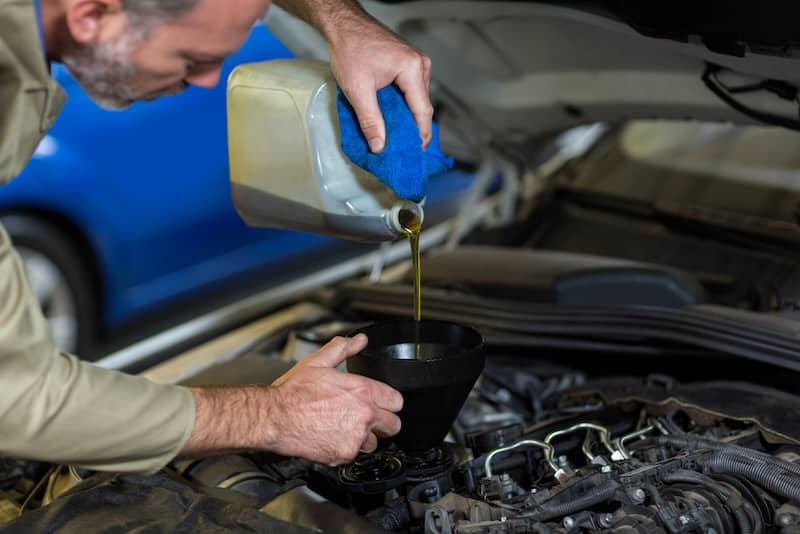
Driving a European vehicle means you’ve already invested in superior performance and luxury. Whether it’s an Audi, BMW, Mercedes-Benz, Porsche, or Volkswagen, your car was designed with careful attention to detail. And that means it needs more than the occasional tire rotation or once-a-year tune-up.
The most crucial yet overlooked step in maintaining that performance? Routine oil changes.
Oil Changes Are Essential for High-Performance Engines
European engines are precisely designed and often operate under higher compression. This means they generate more heat and rely heavily on high-quality lubrication to reduce friction and prevent premature wear.
You may think that skipping or delaying an oil change here and there isn’t a huge deal. After all, it’s just dirty oil. In reality, though, you’re allowing sludge to build up, which can clog engine components and starve critical parts of the lubrication they need. And that’s potentially catastrophic.
Unlike many American or Asian vehicles that can tolerate long gaps between services, European cars depend on timely, specific maintenance intervals to stay healthy.
Why the Type of Oil Matters and Why You Can’t Cut Corners
Not all motor oils are created equal. European automakers often require specific formulations that meet strict standards like VW 502.00, BMW Longlife-01, or Mercedes-Benz 229.5. These standards dictate viscosity, chemical makeup, and performance under high-temperature conditions.
Using generic oil or even the wrong synthetic blend can void warranties, reduce engine efficiency, or even cause damage over time.
When you look for a reliable European car oil change in Salt Lake City or your area, make sure the shop you choose will always match your vehicle with oil that meets OEM specifications. It’s a level of detail that matters when your engine is operating with the complexity and demands of German or Italian engineering.
How Often Should You Change the Oil?
If you’re used to the old 3,000-mile rule, throw it out, especially with European cars. Many modern models use synthetic oils that can last 7,500 to 10,000 miles. However, driving conditions, your engine type, and your driving style all affect this timeline.
If you often drive in stop-and-go traffic, live in a hot climate, or push your vehicle hard, you should lean toward more frequent oil changes. Relying solely on dashboard alerts or dealer reminders can lead to oversights.
A smarter approach is to schedule oil changes every 6,000–7,000 miles or every 6 months, whichever comes first. This keeps your engine clean and your performance consistent.
Why Regular Oil Changes Extend the Life of Your Car
Clean oil helps your engine run cooler, reduces friction between components, and prevents damaging buildup. Over time, dirty oil becomes thick and can’t flow properly through your engine. This results in more stress on moving parts and, eventually, breakdowns that could’ve been avoided.
Think of oil changes like hydration for your car’s internals. Just as you wouldn’t run a marathon without drinking water throughout the course, you shouldn’t expect your vehicle to perform at its best without fresh oil coursing through its system.
If you plan on keeping your car long-term or want to retain its resale value, this is the easiest habit to adopt.
Oil Service Is an Investment in Your Car’s Future
Every time you bring your vehicle in for an oil change, you’re also giving your technician the opportunity to inspect your engine, belts, hoses, and fluids. Small issues like minor leaks or worn gaskets can be caught early, before they lead to major repairs.
This preventative approach saves you time and money in the long run. Plus, a well-maintained service record adds value if you ever choose to sell your car through an exotic car consignment service.
If you’re thinking about resale down the road, potential buyers will always ask: “Has it been serviced regularly?” Consistent oil changes give you the credibility to say yes, with documentation to back it up.
What to Expect From a European Oil Change at a Professional Shop
A proper oil change for a European car involves more than just swapping fluid and a filter. When done right, it should include:
- Inspection of engine components for leaks or wear
- Replacement with manufacturer-approved oil and filter
- Resetting of the oil change reminder and service logs
- General check of tire pressure, fluid levels, and brake condition
You should also receive a clear summary of the service and recommendations for the next visit. That’s the difference between a quick-lube stop and a shop that specializes in European vehicles.
Follow a Service Schedule That Works
Every European vehicle comes with a recommended maintenance schedule that’s usually found in your owner’s manual. Following this schedule protects your engine, preserves your warranty, and helps avoid unnecessary downtime.
You don’t have to memorize it or keep track on your own. A good repair shop will log your services, set reminders, and notify you when your next visit is due. That way, you’re never caught off guard or overdue.
If you’re unsure when your last oil change was or whether the right oil was used, it’s worth scheduling a quick inspection to get back on track.
Make Oil Changes a Non-Negotiable Habit
Owning a European vehicle is a joy, but it comes with responsibility. Skipping oil changes is both risky and completely avoidable. With the right schedule and a qualified shop that understands your car, oil changes can become a fast, efficient, and affordable way to extend the life of your investment.
Your engine works hard to deliver the driving experience you love. Give it what it needs to keep going strong.