
If you own a European performance car, you’ve probably heard tuning terms like Stage 1, Stage 2, and full bolt-on. They get used constantly, but they’re not always explained clearly. That means you can quickly feel out of the loop and confused, especially if you’re trying to decide how far to take your car.
When you’re ready to schedule luxury car performance tuning in Salt Lake City, you’ll need to know the difference between tuning levels. The short version is simple: Each step increases performance by adding more supporting hardware and tuning changes. The right choice for you depends on how you drive, how much power you want, and how much compromise you’re willing to accept.
What Stage 1 Usually Means
Stage 1 is the most common starting point because it usually focuses on software. In most cases, that means an ECU tune designed for a stock or nearly stock car. You’re asking the factory hardware to work closer to its real potential without opening up the car mechanically.
On a turbocharged Audi, BMW, or Mercedes, Stage 1 can deliver a noticeable jump in power and torque. You’ll often feel it most in the midrange, where the car becomes sharper and stronger during everyday driving. Throttle response improves, acceleration builds faster, and the car feels more eager without needing major parts changes.
That’s why Stage 1 appeals to so many owners. It gives you a meaningful performance increase without turning the car into a project.
What Stage 2 Adds to the Equation
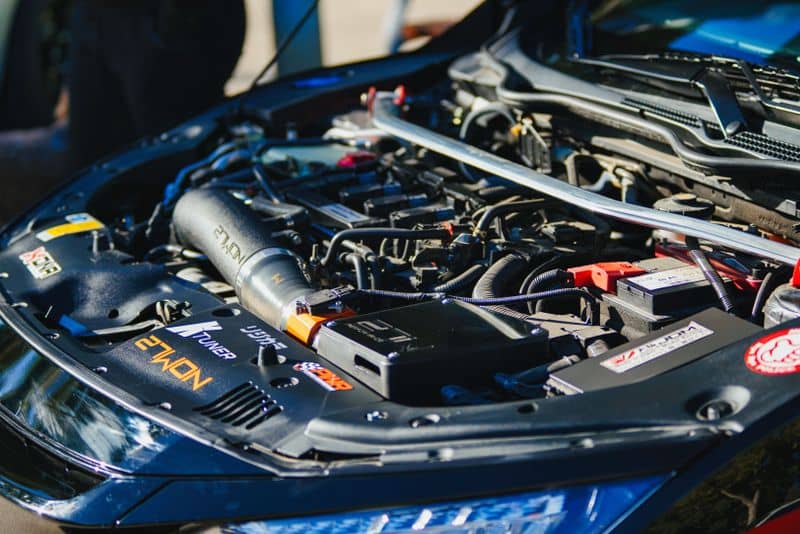
Stage 2 usually means you’re combining software with at least one airflow-related hardware upgrade. A downpipe is one of the most common examples on turbocharged European cars. Some setups may also involve intake changes or other supporting parts depending on the platform.
The reason is straightforward. Once you ask the engine for more power, you need to reduce restrictions and help the turbo system move air more efficiently. Stage 2 builds on Stage 1 by letting the hardware support the additional tuning more effectively.
You’ll usually feel a bigger difference here than you did from stock to Stage 1. The car pulls harder and often feels more aggressive across the rev range. The tradeoff is that cost rises, installation becomes more involved, and you may have emissions or inspection concerns depending on where you live.
What Full Bolt-On Means
Full bolt-on usually describes a car with a broader set of performance upgrades installed around the stock engine and turbo system. That often includes an intake, downpipe, intercooler, exhaust components, and the software needed to tie everything together. On some platforms, it may also include fueling support or charge pipe upgrades.
This is the point where you stop making one isolated change and start building a complete package. The goal is to improve airflow, reduce heat, and create a more consistent performance setup under repeated hard use.
A full bolt-on car can feel dramatically different from stock. It may accelerate much harder, manage heat better, and respond more consistently during spirited driving. It also asks more from you as an owner. Installation quality, maintenance, and parts compatibility are all more important.
How To Choose the Right Level
The best choice depends on how you use the car.
If your car is a daily driver and you want more excitement without changing its overall character too much, Stage 1 usually makes the most sense. It gives you extra performance while keeping the car simple.
If you want stronger gains and you’re comfortable adding hardware, Stage 2 is the logical next step. This is often the point where owners feel they’ve moved beyond a mild tune and into a more serious performance build.
If you enjoy building cars, plan to drive hard, or want to maximize what the stock turbo setup can offer, full bolt-on may be the right path. You just need to go in with realistic expectations about budget and upkeep.
What Many Owners Overlook
The tuning stage itself is only part of the decision. Supporting systems also play a part. More power increases stress on cooling, tires, brakes, suspension, and drivetrain components. If those parts are already worn, tuning can quickly expose weaknesses.
That doesn’t mean you should avoid upgrades altogether. It just means you should build in the right order. A healthy platform always responds better than one that’s already behind on maintenance.
Before moving up a level, ask yourself a few practical questions:
- Is the car fully up to date on service?
- Are the tires, brakes, and fluids ready for more performance?
- Do you want stronger daily drivability or maximum output?
- Are you prepared for the higher cost of parts, labor, and future maintenance?
Those questions help you choose a setup that fits your goals instead of chasing a number.
There Is No Universal Definition
One thing to keep in mind is that Stage 1 and Stage 2 are not industry-regulated labels. Different tuners may define them differently. One company’s Stage 2 file may require parts that another company treats as full bolt-on support.
That’s why you should always look past the stage label and focus on the actual hardware and tuning requirements. When you schedule European auto service and repair in Salt Lake City, ask what parts are required, what fuel the tune expects, and what kind of real-world results the setup is designed to deliver.
Build for the Way You Drive
A tuning path should match your driving habits. If your car spends most of its life in traffic and on weekend canyon runs, you may get the most satisfaction from a clean, well-executed Stage 1 or Stage 2 setup. If you’re chasing track performance or planning a more serious build, full bolt-on might make more sense.
The right upgrade path is the one that keeps the car enjoyable after the excitement of the install wears off. Power is important, but balance matters more.
A well-tuned European performance car should feel sharper, stronger, and more responsive without losing the qualities that made you want it in the first place. If you choose your stage with that in mind, you’ll end up with a car that fits you better, not just a car with a bigger dyno number.