When the temperature drops, for most of the world, it’s a time to shop for Christmas presents. For you, it can be the perfect time to shop for yourself and find the perfect used luxury car. Most car shoppers put their search on hold until spring. Fewer people browsing means less competition for the car you actually want.
Winter rewards a prepared buyer. Know what to check and have your plan ready, and you can turn a slow season into a smarter purchase.
Why Fewer People Shop for Luxury Cars in Winter
For a lot of people, the holidays take over December and January. Travel plans, gift budgets, and year-end schedules push car shopping down the list. Dealership visits and inquiries on private listings both tend to slow down.
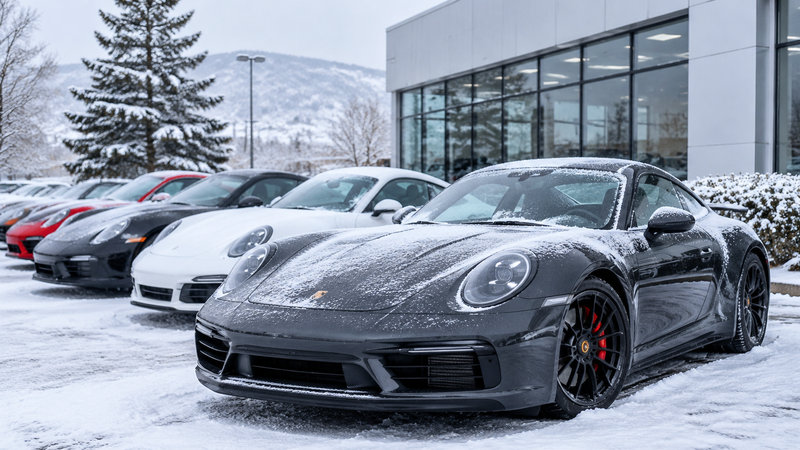
Weather plays a part, too. A convertible or a rear-wheel-drive sports car is hard to enjoy on snowy roads. Even a test drive can feel like a chore. Interest in these models often cools off until spring driving season gets closer.
At the same time, some owners choose winter to sell. Someone upgrading to a new model or clearing garage space for a stored track car may list a vehicle in November or December instead of waiting for warmer weather. That can mean more high-quality cars on the market with fewer buyers competing for them.
How the Slowdown Helps You Negotiate
Every week a car sits unsold, it costs the seller money. Dealerships pay to insure, store, and often finance the cars on their lot. These expenses are called carrying costs, and they add up fast on high-dollar vehicles. Private sellers feel a different kind of pressure: a car that sits without offers can start to feel like a burden.
That pressure often works in your favor. In slower months, sellers may be more open to lowering the price, adding a service like fresh brakes or new tires, or accepting a fair offer quickly. In spring, with three other buyers looking at the same car, you rarely get that kind of flexibility.
Dealers also tend to review pricing on cars that have been on the lot for a while. A used luxury car that arrived in the fall may have a more flexible price by January, since the dealer would rather free up space and cash for new inventory.
For buyers, this is often the perfect time to find luxury used cars for sale with a good amount of room to move on price.
What To Inspect Closely on a Winter Purchase
Winter makes some problems easier to spot and others easier to miss, even on a well-kept car. A thorough pre-purchase inspection is just as important in January as it is in July.
Cold weather gives you a few clear advantages here. Pay close attention to:
- Rust underneath the car: Road salt and de-icing chemicals can eat away at the underbody and brake lines. Look closely at any car that has spent winters on salted roads.
- The battery: Cold weather is hard on batteries. Slow or labored starts on a cold morning are a warning sign.
- Tire age, not just tread: Tires harden with age even when the tread looks fine. Older tires lose grip, especially in the cold. Every tire has a date code on the sidewall. Take note of it.
- The heater and coolant: It’s easy to confirm the heat works when it’s actually cold outside. Coolant that looks dirty or smells burnt can point to bigger problems.
Rust is another thing to look for. Utah salts its roads in winter, and cars brought in from snowy states in the Midwest or Northeast may have years of salt exposure behind them. Some corrosion hides in places you can’t see from the driveway. An experienced technician with the car up on a lift can spot damage that a quick walk-around would miss.
Make sure to schedule your BMW, Porsche, or other luxury car pre-purchase inspections in Salt Lake City with a highly qualified technician.
Systems That Are Harder To Judge in the Cold
The same cold that exposes some problems can hide others.
Air conditioning is the easiest example. On a 20-degree day, there’s no real way to tell how well it cools. When a seller says the AC works fine, ask when it was last tested and whether any work has been done on it.
Convertible tops and sunroofs have a similar blind spot. A soft top can move slowly or feel stiff in freezing weather, but still work perfectly once it warms up. A seller may not think to mention a top that only acts up in certain temperatures.
Snowy or salty roads also tell you less on a test drive. Less grip makes it harder to feel small handling problems, like a car that pulls to one side or steering that feels loose. Those are details you’d notice more easily on dry pavement.
Winter doesn’t make these systems off-limits. It just means you should ask direct questions and, when you can, have a technician test them instead of relying on a quick look.
How To Be Ready When the Right Car Shows Up
The winter advantage only helps when you’re ready to act. Eager sellers won’t wait long, so do your homework before you start shopping.
A little preparation goes a long way:
- Line up your financing first. Pre-approval lets you make an offer on the spot instead of waiting on a lender.
- Know fair prices for the car you want. Research recent sale prices for the exact model, year, and trim. This will help you recognize a good deal when you see one.
- Get an insurance quote. Exotic and performance models can cost more to insure than a typical luxury sedan. Knowing that number keeps your budget honest.
- Book the inspection early. Have a shop ready before you make an offer, so you can inspect and close within days.
It also helps to check how long a listing has been active, when that information is available. A car that has been posted for several weeks without selling usually has more room for negotiation than one listed a few days ago. That context can shape how you open the conversation with the seller.
Finally, plan how the car will get home. Many performance cars leave the factory on summer tires, which lose grip and can even crack in freezing temperatures. For a rear-wheel-drive luxury car, the safest option may be an enclosed trailer or a set of winter tires fitted before you drive it.
Think about where the car will live, too. A dry, secure spot out of the weather protects your new purchase until spring driving season arrives.
Preparation Turns a Slow Season Into a Smart Buy
Winter buying rewards homework more than luck. Fewer buyers and more flexible sellers can add up to a great deal, as long as you know what to check and you’re ready to move.
Video